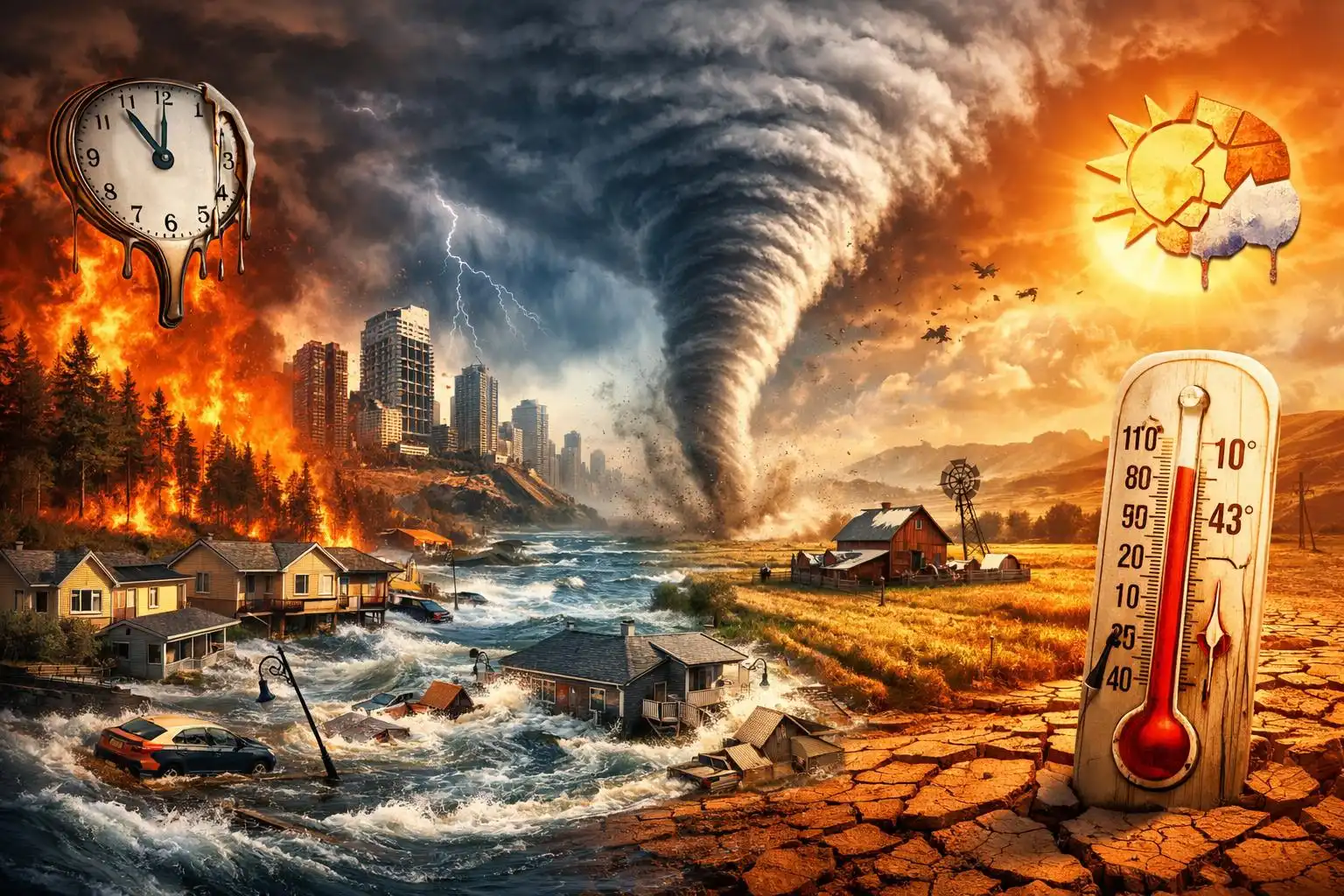
In recent years, Americans have felt the heat—literally and figuratively—as weather events once considered rare have become routine. Across the country and around the world, new extremes are replacing old expectations. As a meteorologist, I’ve been tracking these trends, and it’s clear that what we’re experiencing now represents not just a temporary blip, but a profound shift in our climate and its consequences for communities everywhere.
Rising Frequency and Cost of Weather Disasters
The National Oceanic and Atmospheric Administration’s Climate Extremes Index shows that the area of the U.S. impacted by extreme weather events has doubled in the past twenty years. This surge isn’t limited to one type of event, but encompasses heat waves, cold snaps, torrential downpours, droughts, and more. In fact, the U.S. now breaks 77% more hot weather records than in the 1970s and 19% more than even the 2010s [1].
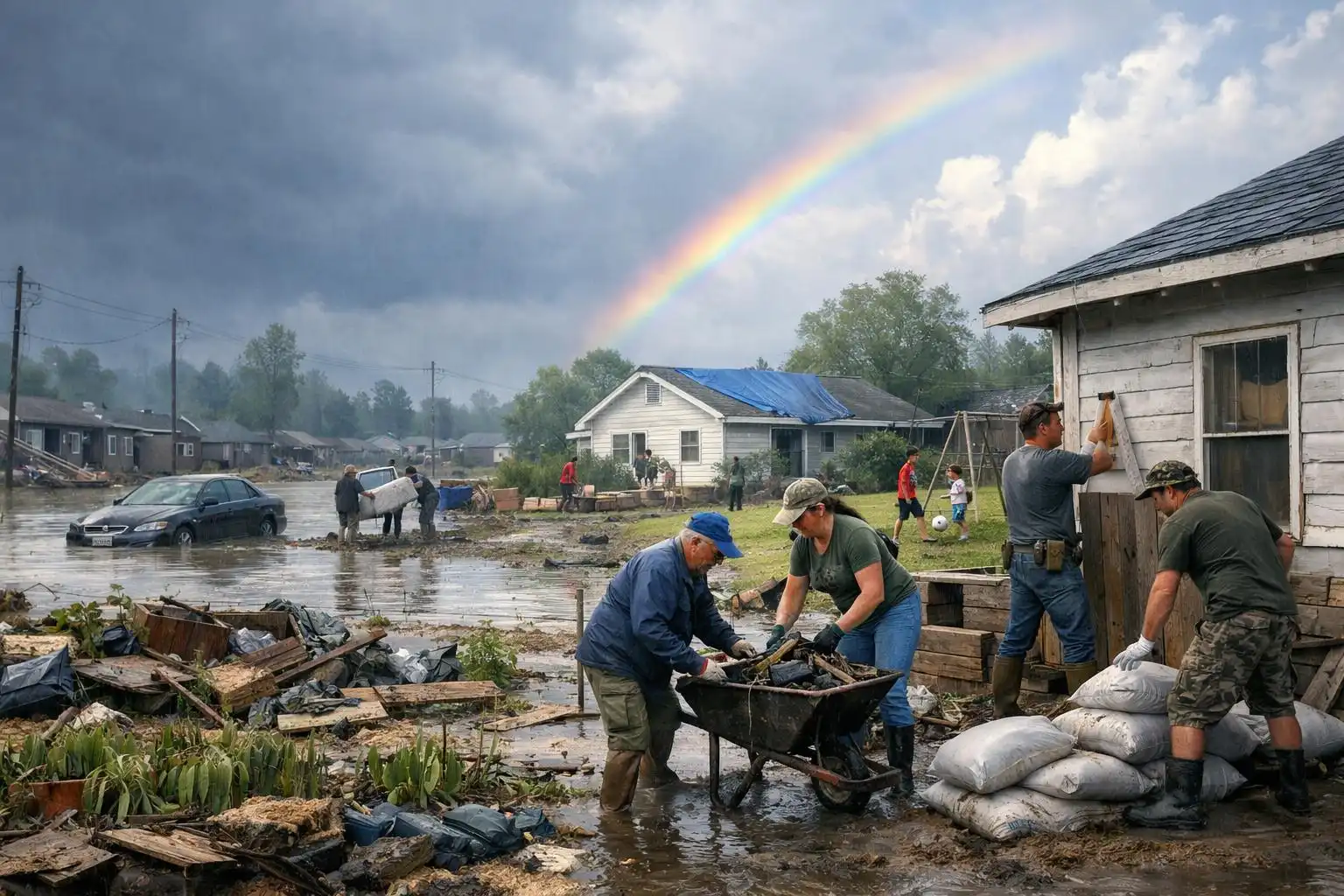
Climate-related disasters are also hitting our wallets: the number and average cost of inflation-adjusted billion-dollar weather disasters in the U.S. has doubled in just the last decade, and has quadrupled since the mid-1990s. This relentless increase leaves little time for communities to recover before the next crisis hits.
Unprecedented Weather Patterns
This March, parts of the U.S. Southwest shattered temperature records, with deadly heat waves arriving far earlier than even recent trends might have predicted [1]. These extreme events are no longer outliers—they’ve become the new normal.
Meanwhile, severe storms continue to menace the Midwest. For example, Michigan recently experienced rapid warming accompanied by a period of showers, thunderstorms, and the risk of damaging winds, large hail, and even tornadoes. An active weather pattern driven by a cold front brought not only the threat of hail but also the potential for excessive rainfall, flooding, and abrupt temperature changes [2].
Communities on the Front Lines
The human impact goes beyond inconveniences or damaged property lines. In Afghanistan—a country especially vulnerable to climate extremes—severe flooding over the past several days killed at least 28 people, destroyed 130 homes, and displaced over 1,100 families. Many lose their livelihoods, with agricultural land and roads devastated by the raging waters. Earlier in 2024, springtime flash floods claimed over 300 lives [5]. Such tragedies underscore the disproportionate impact extreme weather has on vulnerable communities, both in the U.S. and abroad.
The Overlooked Risks to Contaminated Sites
It’s not just people and infrastructure at risk. The Environmental Protection Agency’s watchdog recently found that many of the nation’s Superfund sites—the most contaminated locations in the country—are increasingly vulnerable to flooding and wildfires. Extreme weather puts these areas at risk of releasing toxins into local communities, jeopardizing years of cleanup and the health of nearby residents [3].
What Can We Do?
Extreme weather is a challenge that affects us all, but preparation can make a real difference. Here are some critical steps for individuals and communities:
- Stay informed: Watch local weather alerts, especially during severe weather seasons.
- Be prepared: If you live in a flood or fire-prone area, develop an evacuation plan and keep emergency supplies ready.
- Support resilience measures: Advocate for investment in resilient infrastructure and comprehensive disaster planning in your community.
- Reduce personal risk: Simple steps like securing loose outdoor items in wind-prone areas and keeping drains clear to prevent flash flooding can help.
The pace of change in our climate means that these events will likely continue to rise in both frequency and severity. While we must push for long-term solutions to address the drivers of climate change, taking steps today to adapt and prepare will help protect lives, property, and our shared future.
References
- Records shattered for the hottest day in March; ‘This is what climate change looks like’ – NBC New York
- Warming today, storms late and into tomorrow – CBS News
- EPA watchdog finds nation’s most contaminated sites are vulnerable to flooding, wildfires – Greenwich Time
- Death toll in Afghanistan flooding increases to 28, authorities say – Greenwich Time

Leave a Reply to Fact-Check (via Claude claude-sonnet-4-5-20250929) Cancel reply