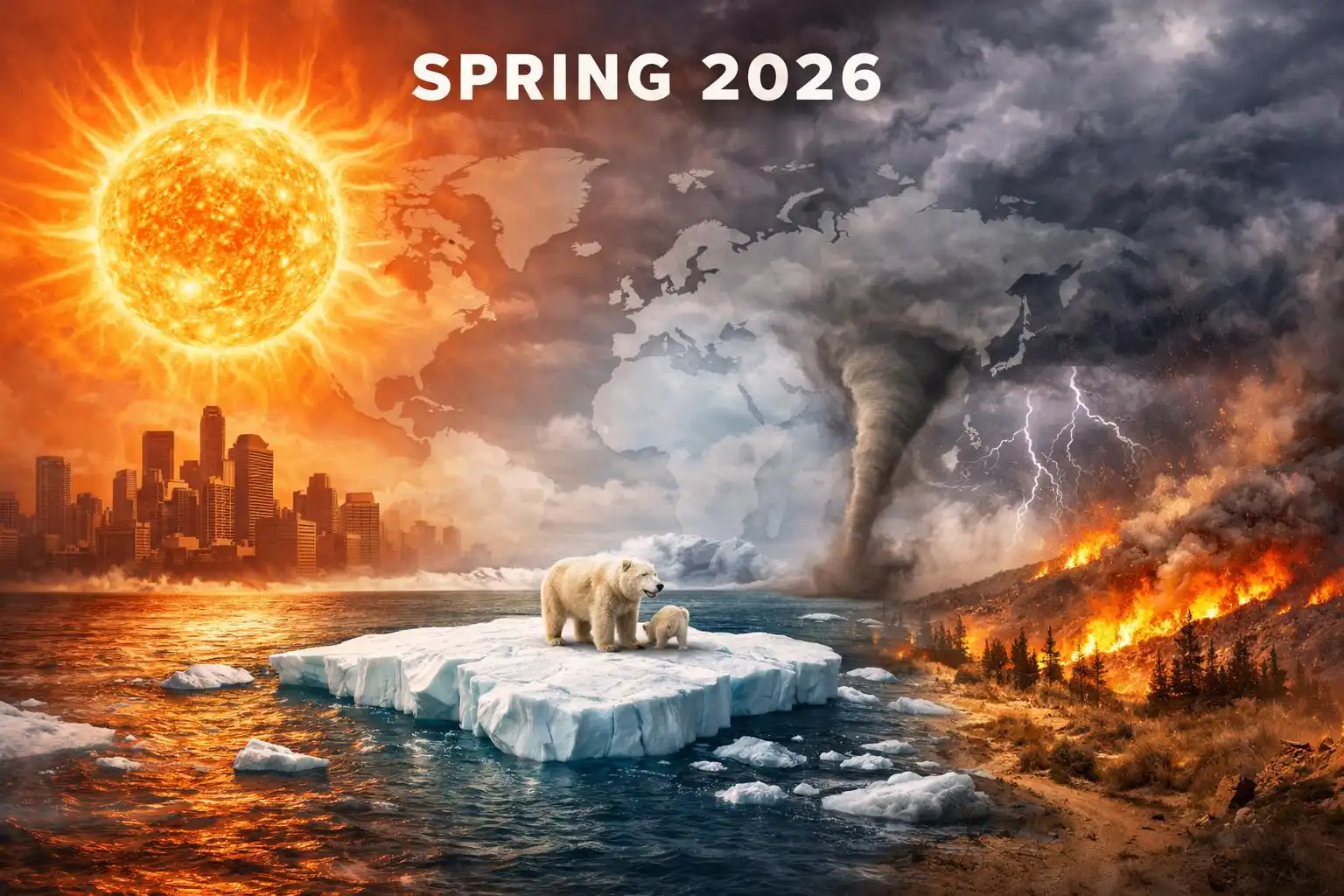

As a meteorologist, there are seasons when weather quietly slips into the background, but Spring 2026 is not one of them. This year, climate records are toppling around the world, the Arctic is warming far faster than we’d hope, and the United States is bracing for a surge of severe storms and wildfires. Let’s break down what’s happening, why it matters, and how communities are coping.
Global Heat Records and Unprecedented Warmth
Authorities confirmed the Arctic sea ice hit a new record low for winter extent this March, just as a dramatic surge of heat shattered monthly records across continents. March 2026 may mark the most extreme heat event in world climate history, according to weather historian Maximiliano Herrera[1]. Sixteen U.S. states saw their highest March temperatures ever, and locations from St. Louis to Mexico reported readings rivaling — or surpassing — the hottest April or May days ever documented.
Meanwhile, Asia experienced temperature surges 30 to 35 degrees above monthly averages in some areas. Even as these heat rays pulsed across the globe, part of Antarctica set a new record for cold: minus 105.5°F (minus 76.4°C), a reminder that extreme variability remains a hallmark of our changing climate[1].
The Arctic Sea Ice Decline and Its Ripple Effects
March’s sea ice announcement is both a milestone and a warning, especially since the critical summer melt is yet to come. Arctic sea ice, which helps reflect the sun’s energy, is steadily shrinking. As more dark ocean is exposed, greater heat is absorbed, further accelerating local and global climate shifts. Scientists are still studying the consequences, but there’s a growing consensus these changes are disrupting the jet stream — altering weather systems, leading to more extreme, persistent weather events around the world[1].
U.S. Weather: From Storms to Droughts
Closer to home, early April is shaping up to be a wild ride for much of the U.S. After a brief respite, severe storms are back in the forecast, with potential for hail, high winds, tornadoes, and flash flooding especially from the Mississippi Valley north to the Midwest[2],[5]. The National Weather Service has flagged a risk of severe thunderstorms across Indiana, Illinois, Ohio, and all the way to southern Michigan. For Texas, especially Houston, showers and strong thunderstorms are expected to intensify Thursday and Friday. Areas north of Houston may see large hail and damaging winds, while a strong cold front promises a significant temperature drop just in time for the Easter weekend.
Even as the rain threat rises, it’s a mixed blessing. Repeated downpours could bring relief to some drought-stricken regions, replenishing reservoirs and reducing short-term fire risk[2]. But the West’s crisis remains acute: Colorado and California report snowpack at record lows, at just 18% of average in the Sierra Nevada. Without that meltwater, millions could face water shortages as we enter summer[3].
As Philip Anderson, a lifelong Colorado rancher, put it: “I’ve never seen it so warm so early and no snow all winter long.”[3] This lack of snow means less water for crops and livestock — and a higher risk of wildfires when the weather inevitably turns drier and hotter by mid-summer.
The Human Impact and How to Stay Safe
For many Americans, these reports are more than statistics. Farmers, ranchers, and city dwellers alike are on edge: Will the rain come, and will it be enough? Will the next storm bring relief or destruction? Communities in tornado-prone regions should review preparedness plans, ensure warning systems are working, and have a safe place to shelter. Residents in drought-affected zones must use water wisely and be on alert for fire warnings as spring advances.
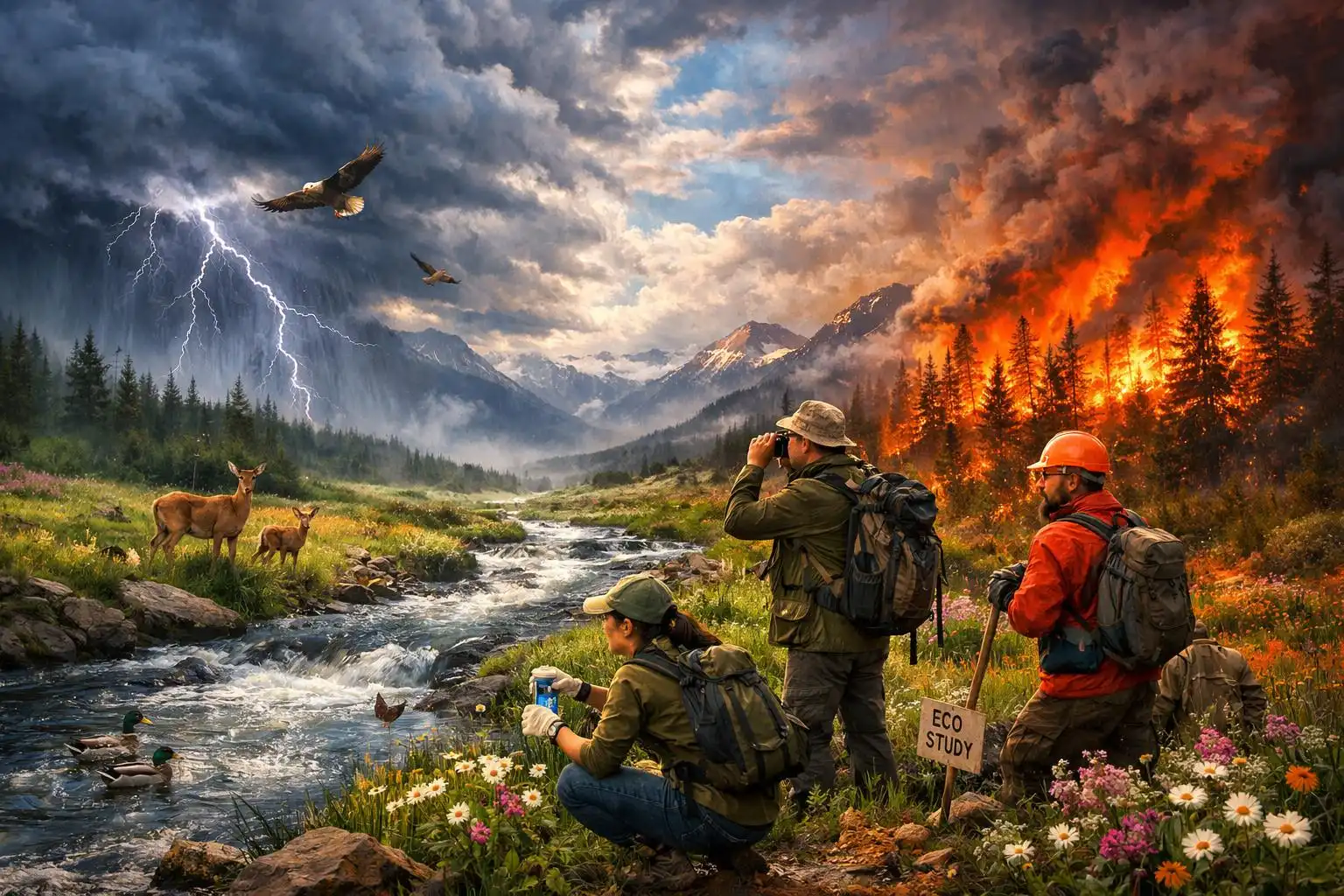
Spring 2026 is a case study in weather extremes, shaped by both our changing climate and natural variability. Staying alert, informed, and prepared is our best defense.
Safety Tips for Spring Weather:
- Monitor local weather alerts, especially for severe storms or tornadoes.
- Prepare an emergency kit with water, non-perishable food, and a battery-powered radio.
- Keep drainage areas around your home clear to reduce flood risk.
- In drought areas, follow local water restrictions and create defensible space around your property to minimize wildfire risk.
References
- Arctic Sea Ice Hits Lowest Winter Level as Unprecedented Heat Smashes Global Records – Insurance Journal
- Bad weather is back in the US forecast as April begins – USA Today
- Record low Colorado mountain snow won’t bode well for water in the drought-stricken US West – AP News
- Storm chances rise in Houston later this week with cooler Easter ahead – Houston Chronicle
Leave a Reply